


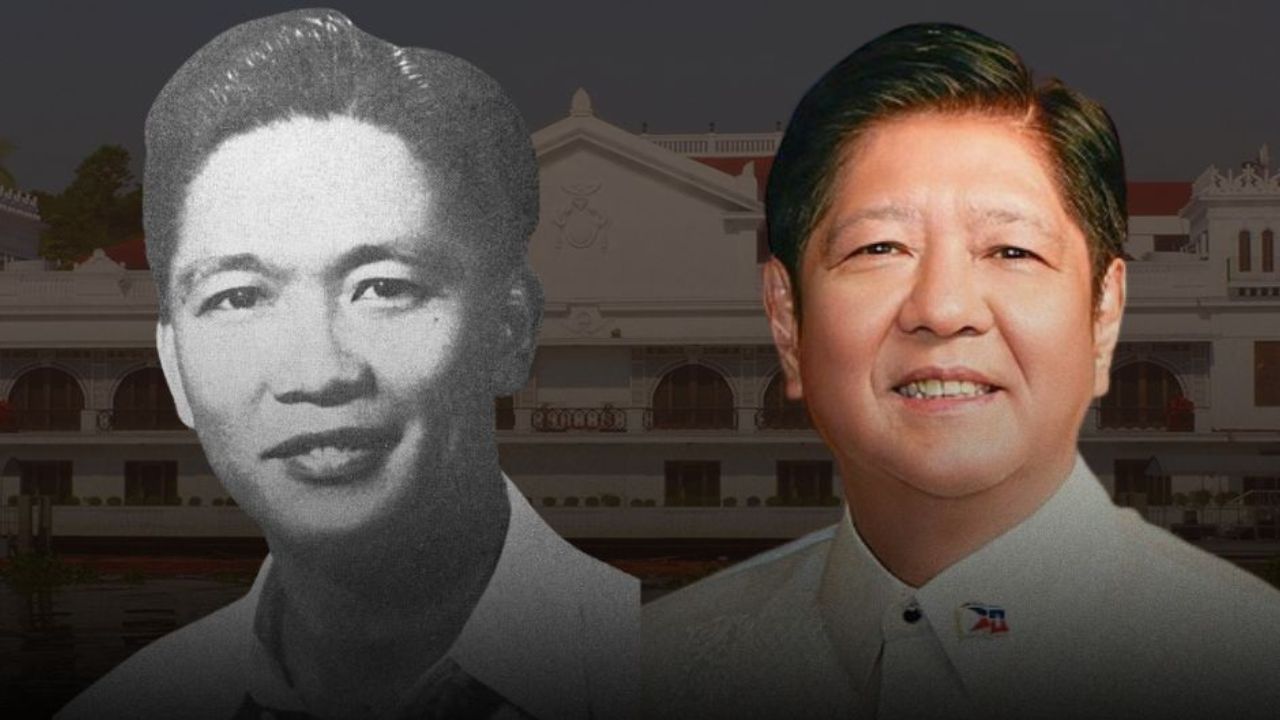
With a president being the son of a former one, comparisons between the two administrations are inevitable. Now more than three years into his term, Ferdinand “Bongbong” Marcos Jr. has pursued a distinct and deliberate national policy. Inheriting a pandemic-weary economy, he has leaned on Public-Private Partnerships to continue infrastructure development, branding the effort as “Build Better More,” a continuation and rebrand of his predecessor’s “Build Build Build.”
On the fiscal front, he has retained much of the existing framework and pushed forward with digitalization, the shift to a green energy economy, and tighter control of public spending. These efforts have unfolded alongside controversial funding allocations, including confidential and intelligence funds and off-budget items that have drawn scrutiny from auditors and critics. His Cabinet includes known technocrats, central bank veterans, and development economists, and he consistently delegates decision-making. Even in the face of criticism or political attacks, he rarely engages directly. Spokespersons and officials take the lead in defending policy, while he remains visible in moments of success.
By contrast, his father, Ferdinand Marcos Sr., took a more direct and centralized approach during the early years of his presidency. Infrastructure defined his legacy, with roads, bridges, hospitals, and irrigation projects rolled out rapidly. These were financed through heavy government borrowing. His 1969 reelection campaign was funded by record-level deficit spending, leading to a balance-of-payments crisis that forced the Philippines into its first stabilization deal with the International Monetary Fund. Inflation surged, the peso was devalued, and economic managers were left to impose belt-tightening measures under outside pressure.
Marcos Sr. governed with close control, to a degree that some would argue made the Cabinet an extension of himself. Where the son governs at a distance, the father ruled from the center, with legal maneuvering and executive power as his tools of choice.