


“’Wag mong sabihing delikado, sabihin mo energy security!”
This is what I often say when talking about energy security and the possibility of a nuclear future in the Philippines.
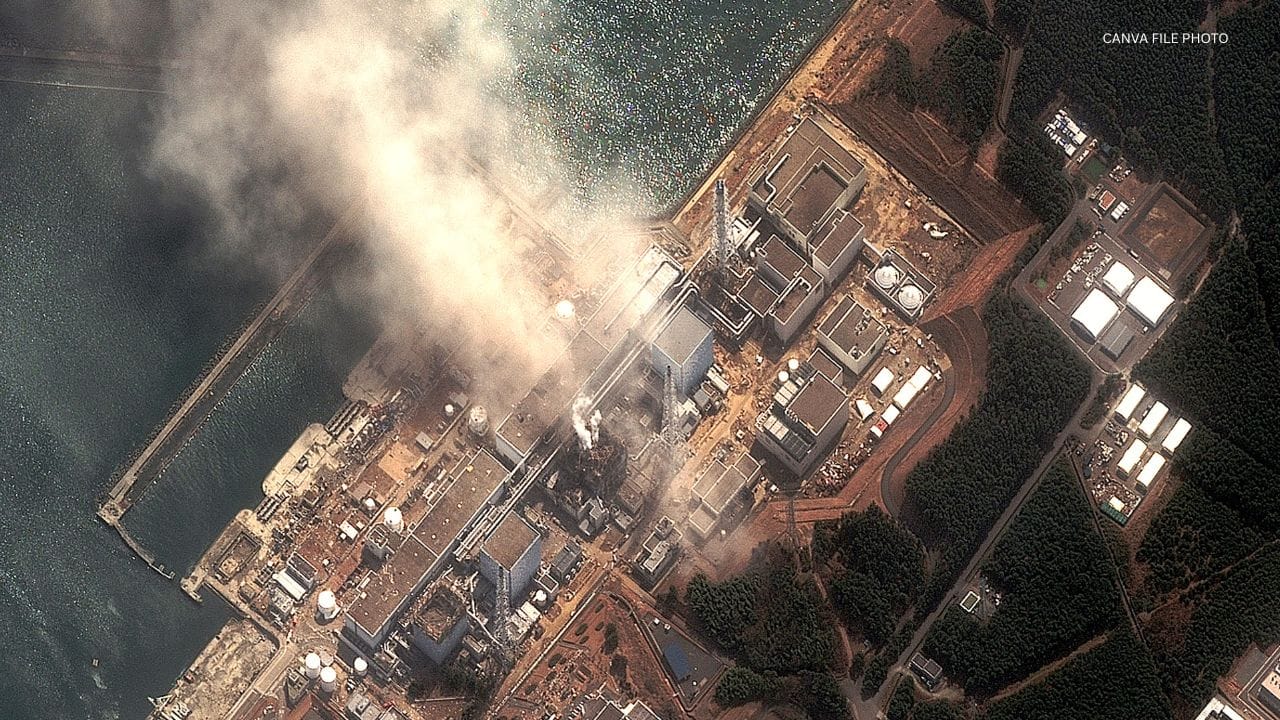
When Filipinos are asked how they feel about nuclear energy, the response is often a mixed bag. Mentions of past nuclear tragedies abroad quickly surface: Chernobyl in 1986, Fukushima in 2011, and the long-running debate over the Bataan Nuclear Power Plant. It is no surprise that the idea of nuclear energy in the Philippines remains a hot topic.
But the bigger question: Can the country afford not to pursue it?
Electricity in the Philippines is among the most expensive in Southeast Asia. Average residential electricity rates hover around ₱12.95 to ₱13.50 per kWh—significantly higher than those of its neighbors and among the highest in the region, largely due to heavy dependence on imported fuels and structural issues in the power market.
Part of the problem is the country’s energy mix. According to the Department of Energy’s latest power statistics, coal alone accounts for about 58% of electricity generation, while natural gas and oil-based plants add another significant share, bringing fossil fuels to roughly three-quarters of the country’s electricity supply.
And as I wrote previously, the lack of subsidies, combined with slow energy infrastructure expansion, has left the country paying more for less reliable power compared to many of its neighbors.
Related article: Left in the Dark: How the Philippines is Losing Ground in Energy Development?
The conversation has begun to shift in the past year, notably after the passage of Republic Act No. 12305, or the Philippine National Nuclear Energy Safety Act, which created an independent nuclear regulator. Under the Philippine Energy Plan 2023–2050, the country is targeting 1,200 megawatts of nuclear power capacity by 2032, with potential expansion to 4,800 MW by 2050. At the initial target, this would generate enough electricity to power around 1.5–2 million Filipino households each year.
Now come the external motivators.
In February 2026, the Philippines and the United States sealed $4.2 million in civil nuclear cooperation agreements to support capacity building, regulatory development, and technical advisory work, with funding from the U.S. Department of State and the U.S. Trade and Development Agency. In addition, South Korea’s Korea Hydro & Nuclear Power and the Department of Energy are exploring technical cooperation and possible participation in future projects, including the potential redevelopment of the Bataan Nuclear Power Plant.
Taken together, these developments signal something important: the Philippines is no longer simply debating nuclear energy in theory. It is beginning to build the policy, regulatory, and international partnerships needed to make it possible.
The ongoing tensions in the Middle East remind us how vulnerable our energy supplies are, with oil prices sharply climbing. These price shocks inevitably translate to higher electricity costs. In that context, the push toward nuclear power signals not just technological ambition but a necessary shift toward long-term energy security.