


Rapid urbanization in many cities in the Philippines has led to the diversion of natural waterways, some of which are completely buried underneath roads and commercial establishments.
However, the damage and mutilation of these waterways – including creeks and rivers – are not just caused by the construction of private commercial buildings or concrete roads. Uncontrolled occupation by informal settlers, a perennial problem faced by several cities, also plays a vital role.
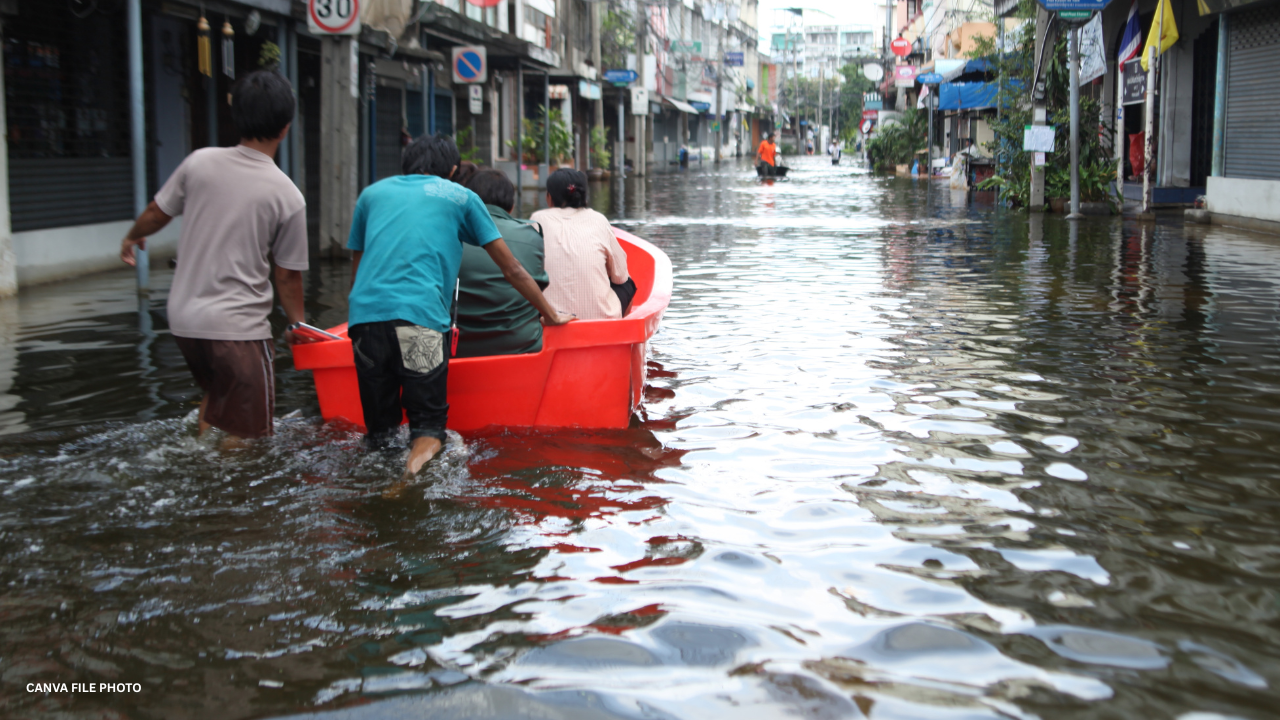
This growing concern on the dilapidating state of our natural waterways has caught the attention of Senator Erwin Tulfo, who called for a nationwide investigation into the root causes of massive flooding. He said the structures obstructing natural waterways are significantly contributing to the recurring and severe flooding across the country.
The lawmaker urged relevant government agencies to conduct a full investigation and submit a comprehensive report on unauthorized structures that are blocking rivers, creeks, and other natural waterways nationwide.
“Despite the existing legal prohibitions, violations continue, and illegal structures remain permitted in these waterways. No one — not even powerful individuals or businesses — can place private interest above public safety, ecological balance, and the rule of law,” he said.
Local government functionaries also share the sentiment of Senator Tulfo. Puerto Princesa City Assessor Engr. Joven Baluyot questioned why natural bodies of flowing water are included in subdivision plans and are even granted land titles by national agencies.
This makes it difficult for LGUs to protect and conserve these waterways, he added.
“Bakit kaya na titituluhan at naging pribado ang mga existing creeks na dapat pag mamay- ari ito ng government yong lahat ng creeks?” Baluyut asked.
He also observed that some government agencies may have erred in the issuance of development permits considering the proponent’s non-compliance of setback or easement required under Presidential Decree 1067, also known as the Water Code of the Philippines.
The a 49-year-old law explicitly establishes that all waters, including those on private lands, are owned by the State.
Protecting natural waterways in our towns and cities are crucial to prevent floods. By preventing their degradation, people can mitigate the severity of floods risks and lessen the severity of future flooding.