


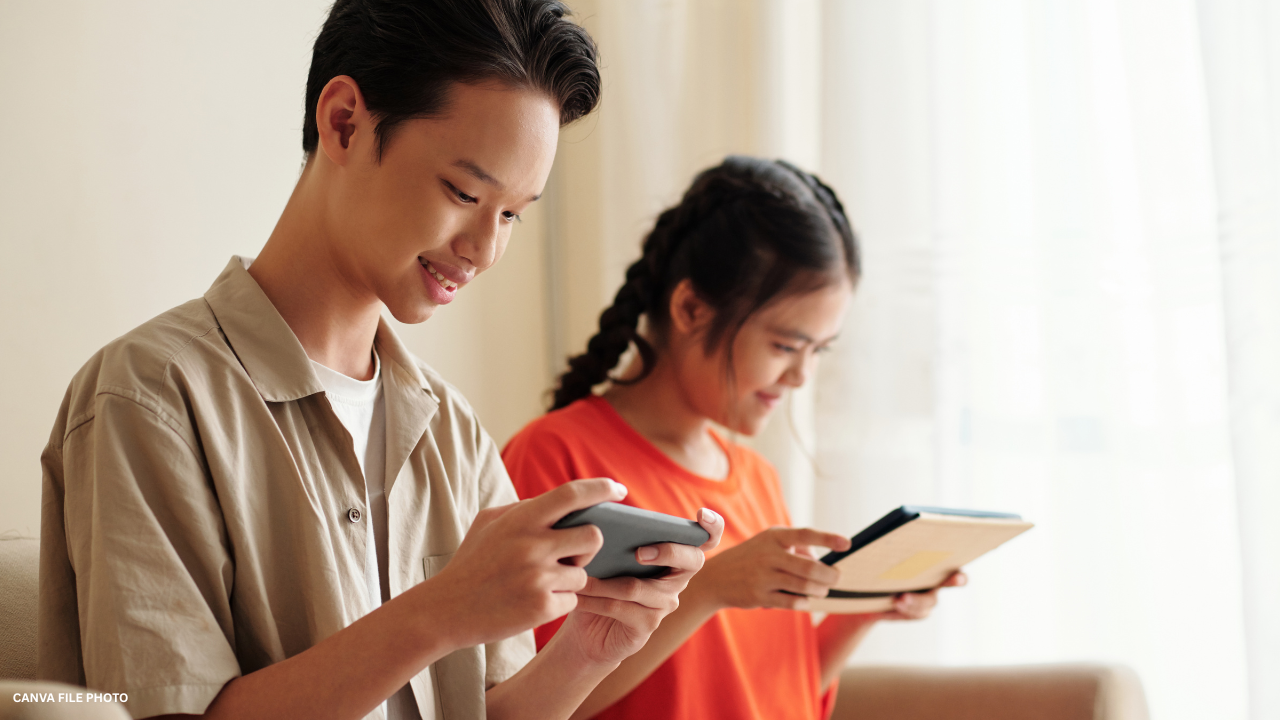
Imagine this: what used to be a simple habit has now turned into something deeper. Children, teens, and even adults are glued to the screens of their Smartphones, tablets, and computers for hours each day.
Experts now warn that excessive use of gadgets is starting to reshape the way people think, feel, and behave. Even medical practitioners are even worried that the brain becomes overstimulated if an individual spends too much time in front of screens, making it harder for them to focus, sleep, or control emotions.
This is particularly evident today. Parents suddenly notice mood swings in their children. Teachers observe shorter attention spans in their students. Mental health professionals report a rise in anxiety and depression brought about by screen overuse.
According to a 2023 meta-analysis published in Frontiers in Public Health, problematic smartphone use is linked to higher levels of depression, anxiety, stress, and poor sleep quality. Likewise, a study in the Journal of Behavioral Addictions also discovered that university students with heavy Smartphone use had significantly higher scores in
depression and anxiety compared to light users.
Another systematic review shared by BMC Psychology showed that prolonged screen time among adolescents is strongly associated with lower mental well-being, loneliness, and emotional distress. The same can be said when BMC Public Health reported that Filipino children aged 2 to 3 who exceeded the recommended screen time had lower scores in language development and social skills.
Parents can see – and feel – the changes in their children’s behavior due to excessive screen time. Many are losing interest in playing outdoors and face-to-face interaction. Mealtimes at home are quieter because everyone is focused on their phones. Some teens stay awake until dawn to stay updated on social media pages or playing online games, leading to exhaustion, poor academic performance, irritability, and emotional instability.
Experts say gadget addiction builds slowly. The more a person depends on a device for comfort, escape, or entertainment, the harder it becomes to unplug. But there is hope.
Research published in BMC Medicine said that reducing smartphone screen time can lead to meaningful improvements in mental health among young people. Setting screen time limits, encouraging more real conversations, promoting outdoor activities, and reminding families of the value of rest and connection can also help reverse the damage.
Technology is part of modern life, but when screens start to control how we feel and behave, it becomes a problem we can no longer ignore.