


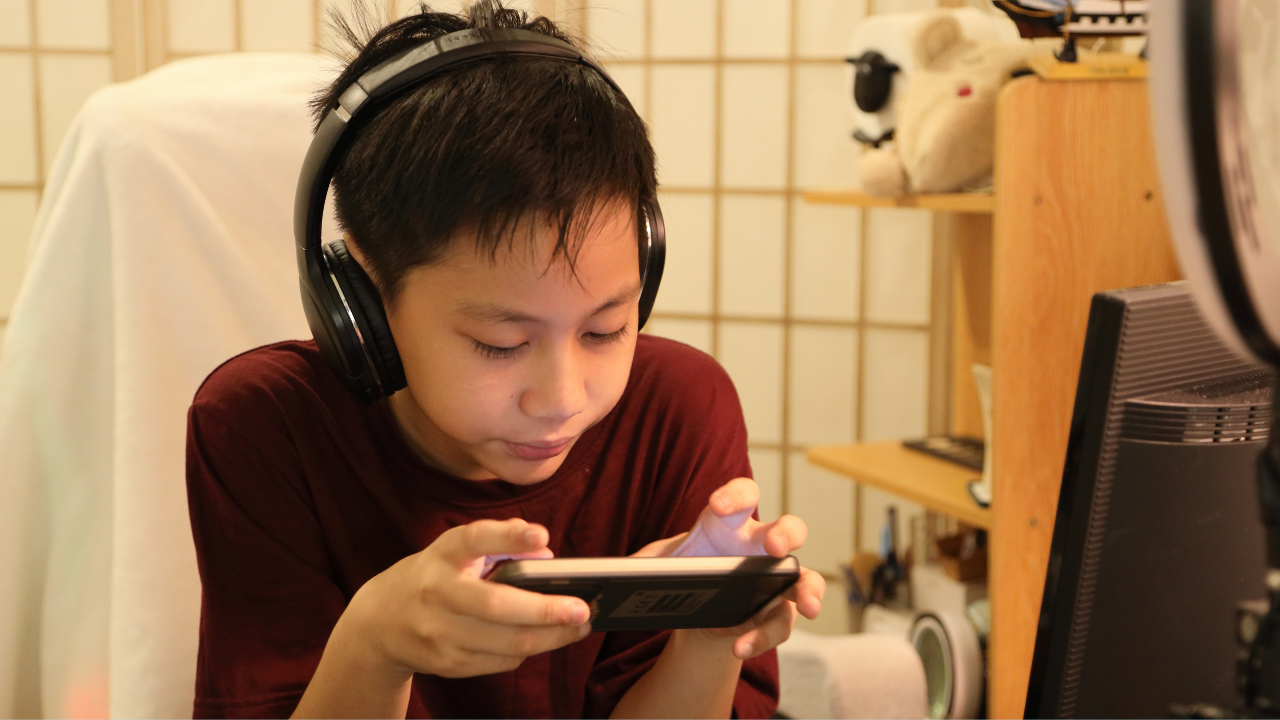
If someone tells you that they don’t enjoy video games, they’d be lying, at least to some extent.
This might come from someone who didn’t spend time in their local arcade, or those who didn’t agrue with their siblings or cousins on who’s turn it was to play Nintendo’s infamous Family Computer back in the 80s.
But then again, time and technology reinvented our way of thinking about video games. At this point, we can see even our grandparents playing Block Blast or Candy Crush Saga to pass the time while waiting for their food to be served. They can get lost in the moment now and then (which can be annoying sometimes), but it all boils down to self-control and moderation.
Gaming is not bad. It’s a hobby, just like reading a book, or taking up a new sport. According to a study published by the American Psychological Assocation, playing video games – including violent shooter games – may boost children’s learning, health and social skills. The authors also suggested that while playing video games are usually associated as “intellectually lazy,” it can strengthen a range of cognitive skills such as spatial navigation, reasoning, memory and perception.
It’s a different story when parents step in to maintain healthy gaming habits for their kids. The positive aspects will be there, yes, but Internet Gaming Addiction (IGD) can turn the entire household into a battlefield. In this case, parents must set limits – concise rules with specific timelines that will ensure a harmonious balance between gaming and other activities such as school work, sports, and social interaction.
Here are some suggestion on how parents can establish healthy gaming habits at home:
- Have a communal gaming area in your house for easy monitoring.
- Get involved: Ask your child that games are they playing and check if it’s age-appropriate.
- Ensure that they get their school work and other responsibilities done before playing.
- Set time limits and stop them an hour before bedtime.
- Know who your kids are playing with, even if they are their friends.
- Remind your kids not to share personal information online.
- Talking or responding to strangers is a definite no-no.