


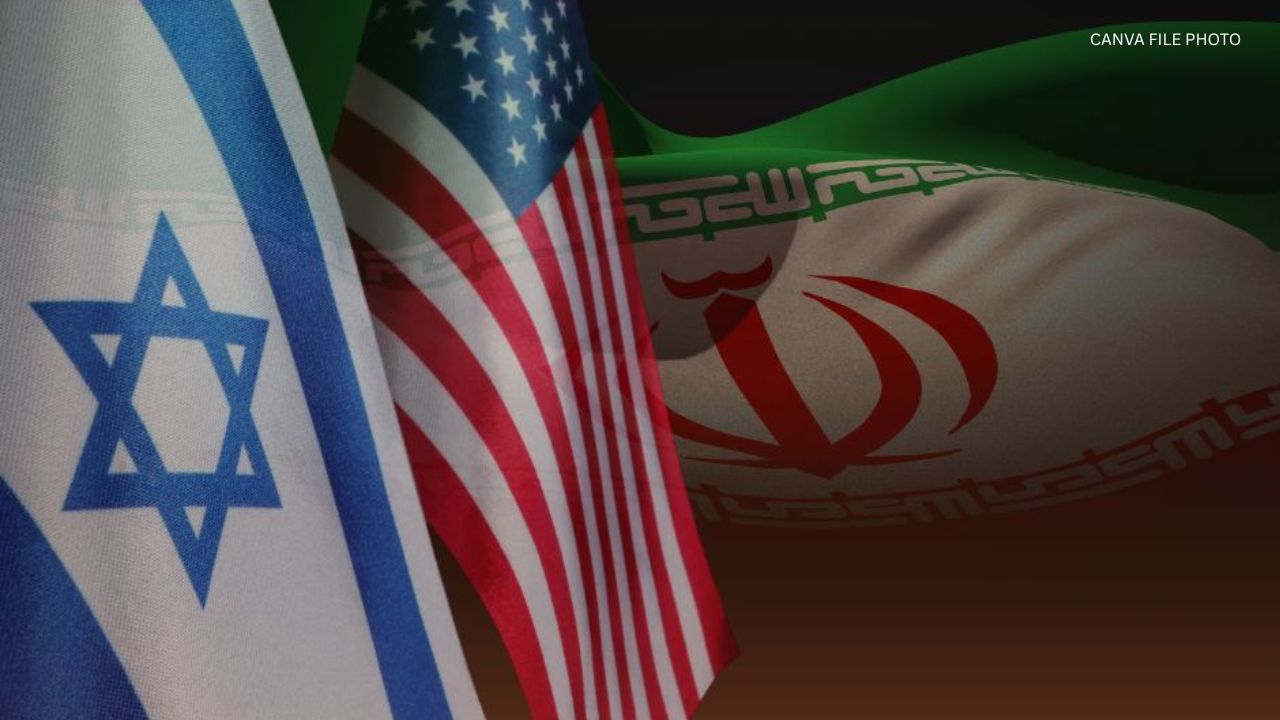
Another conflict over the past week has crippled the Middle East.
On February 28, 2026, the United States and Israel launched air and missile attacks on Iran, targeting the country’s leadership and military infrastructure. The operation involved more than 100 aircraft, drones, and cruise missiles striking government and military installations in Tehran and other Iranian cities.
Iranian Supreme Leader Ayatollah Ali Khamenei was killed in the opening strikes, along with several senior officials, including Islamic Revolutionary Guard Corps commander Gen. Mohammad Pakpour and defense adviser Ali Shamkhani.
Iranian forces retaliated swiftly, launching waves of ballistic missiles and attack drones targeting Israeli cities, including Tel Aviv and Jerusalem, while also striking U.S. military installations across the Gulf. Regional air defenses were activated as missiles and drones were fired toward facilities in Bahrain, Kuwait, Qatar, and the United Arab Emirates. Those countries immediately closed their airspace and borders.
The conflict widened quickly in the days that followed.
Missile strikes hit central Israel on March 1, while images showed fires near the Jebel Ali port in Dubai and damage near the U.S. Fifth Fleet naval base area in Bahrain. On March 2, Iran launched more missiles targeting civilian infrastructure, including Hamad International Airport in Doha, while a reported drone attack struck Saudi Arabia’s Ras Tanura oil refinery.
The conflict expanded beyond the Middle East on March 4, when a U.S. submarine sank the Iranian frigate IRIS Dena off Sri Lanka during a naval confrontation. The same day, Turkish authorities said NATO air defenses intercepted an Iranian ballistic missile that entered Turkish airspace. By March 6, maritime alerts were issued across the vital Strait of Hormuz after reports of vessels being struck by missiles.
On March 7, Kuwait cut oil production and declared force majeure due to disruptions and attacks. Diplomatic pressure also increased, with Saudi Arabia warning Iran against attacks on its territory, while Russia called for an immediate halt to the fighting.
Early tallies from international reporting placed the death toll in Iran at more than 1,000 people within the first days of the war. Israeli authorities reported dozens of civilian casualties, while six U.S. service personnel were killed.
There was also an incident involving a missile strike on a school in the southern Iranian city of Minab, where more than 160 students and staff were reported killed.
The conflict has also disrupted global energy markets. Gulf states and the Strait of Hormuz are vital to the global oil supply, and prices have already begun rising worldwide due to constrained supplies.
As of today, flights have begun gradually resuming at major Middle Eastern hubs, though operations remain limited as sporadic attacks continue. U.S. President Donald Trump said the public should expect four more weeks of attacks but noted that the timeline could be shorter if their alleged strategic targets are achieved.