


It is clear that the energy sector is expanding. More power plants are slated to open in the next few years, with the country clearly taking two significant tracks: green and nuclear.
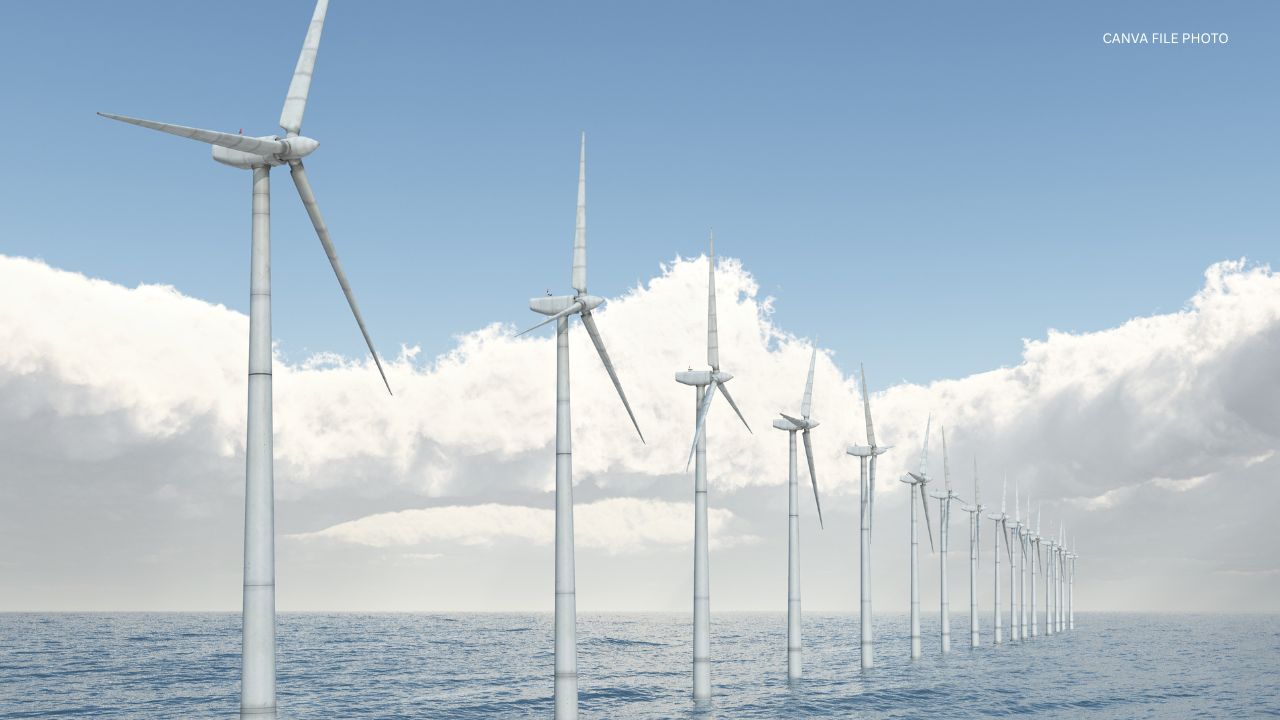
The Department of Energy (DOE) launched its Fifth Green Energy Auction (GEA-5) in June 2025, which focused on fixed-bottom offshore wind technology. The delivery is expected to be somewhere between 2028 and 2030, and should coincide with the government’s goal to increase renewables in the country’s energy mix to 35% by 2030 and 50% by 2040.
GEA-5 has opened the country to new foreign investments, notably from Black & Veatch, a U.S.-based engineering firm involved in several projects, including a 1,275-megawatt combined-cycle power plant, the deployment of a 4.996 MW floating solar facility, and a series of grid modernization and renewable energy integration initiatives. The entry of large U.S. technical players signals growing international confidence in the Philippines’ energy transition roadmap.
The other side of the energy coin is nuclear.
Big leaps were made in the past year. In June 2025, the Legislature passed Republic Act No. 12305, or the Philippine National Nuclear Energy Safety Act, which establishes the regulatory framework for the safe and secure use of nuclear energy in the country. The law creates an independent regulator separate from the Philippine Nuclear Research Institute, strengthening oversight and aligning the country with International Atomic Energy Agency (IAEA) safety standards.
In October, the DOE laid the groundwork for nuclear energy to be integrated into the national grid, with buy-in from the Department of Finance, the Department of Economy, Planning and Development, and the Maharlika Investment Corporation. The government also released a seven-phase licensing roadmap that sets a target of 1,200 megawatts of nuclear power in the energy mix by 2032, with plans to scale this to 4,800 MW by 2050.
Related article: OTEC at Tidal Energy: Mga Enerhiyang Matagal Nang Naghihintay sa Pansin ng Pilipinas
Momentum is not just domestic. In February 2026, the Philippines and the United States sealed $4.2 million worth of civil nuclear cooperation agreements aimed at capacity building, regulatory development, and technical advisory support. The funding includes assistance from the U.S. Department of State and the U.S. Trade and Development Agency to support feasibility studies, workforce training, and the evaluation of small modular reactor technologies. U.S. officials have also actively promoted American small modular reactor designs to Philippine energy stakeholders, signaling strong geopolitical and commercial interest in Manila’s nuclear buildout.